Knowledge Share
Articles by the ADW team on life cycle costing, whole life carbon, BREEAM, security and sustainable construction.

Embodied Carbon Reduction Through Early Opportunity Mapping
Carbon opportunity mapping finds a project's carbon hotspots before the design is fixed; here are its five stages and how it supports BREEAM Mat 01, whole life carbon and planning.
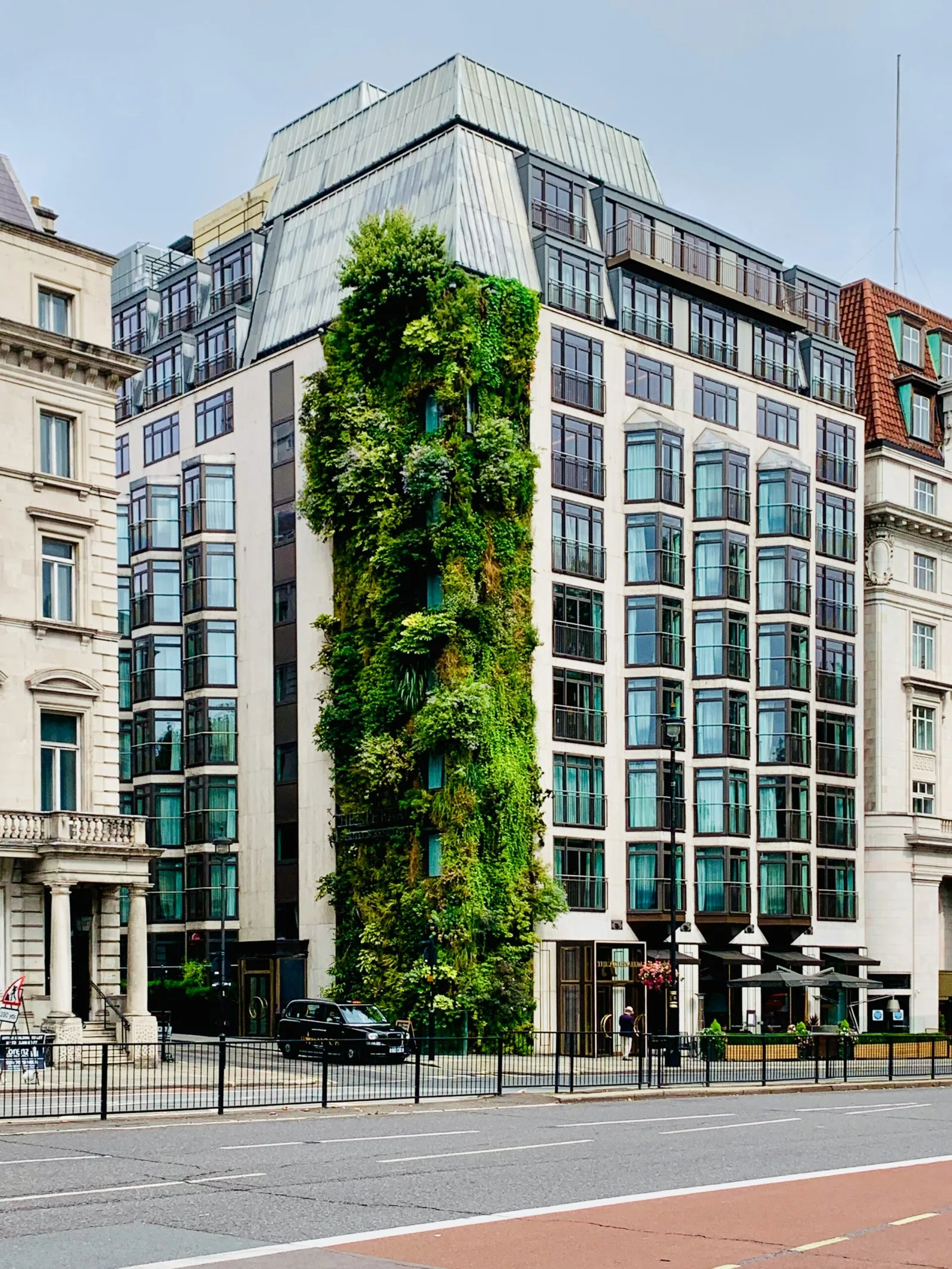
Understanding BREEAM MAN 05: POE Requirements, Evidence and Compliance
BREEAM Man 05 checks whether a building performs as designed once occupied; this guide covers its timing, the evidence an assessor expects, how to plan for it and whether a site visit is needed.

Verify As-Built Carbon and Meet Compliance
An as-built whole life carbon model proves a scheme delivered the carbon reductions its design promised; here is what BREEAM V7 and the GLA require of it and how we build one.

Why Post-Occupancy Evaluation (POE) Matters More Than Ever
Post-occupancy evaluation is the evidence that links design intent to how a building performs in use, and this article sets out what it gives designers, owners, investors and net zero reporting beyond certification.

How Carbon Credits and Circular Materials Are Shaping Sustainable Construction
Embodied carbon credits turn verified savings from material reuse into reportable value, and this piece sets out how they differ from offsets, what counts as a circular material and where regulation still lags.
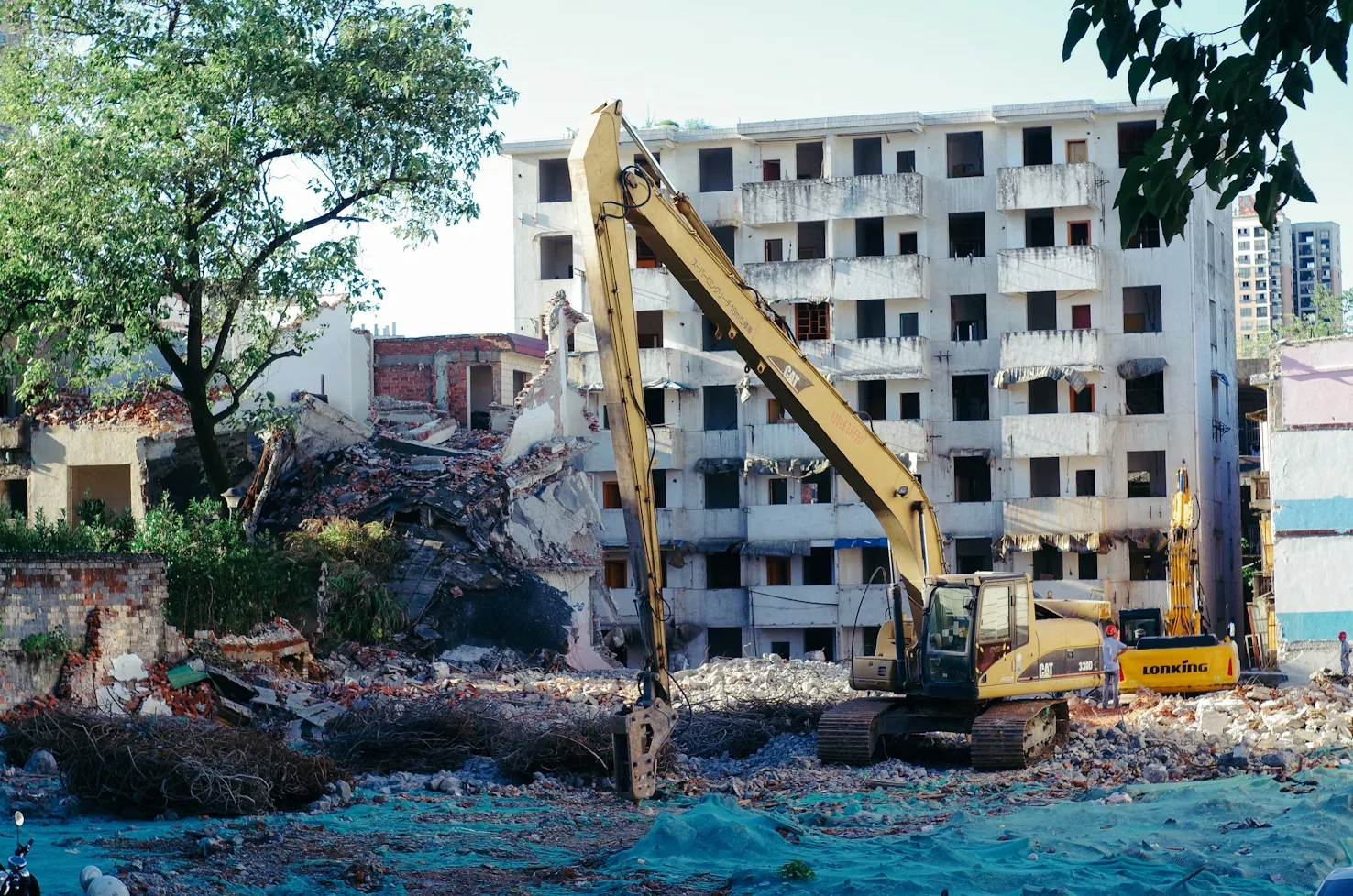
The Power of Pre-Demolition Audits for a Circular Economy
A pre-demolition audit surveys a building before demolition or major refurbishment to record what can be reused, recycled or recovered, and this article sets out what it covers and what it is worth.
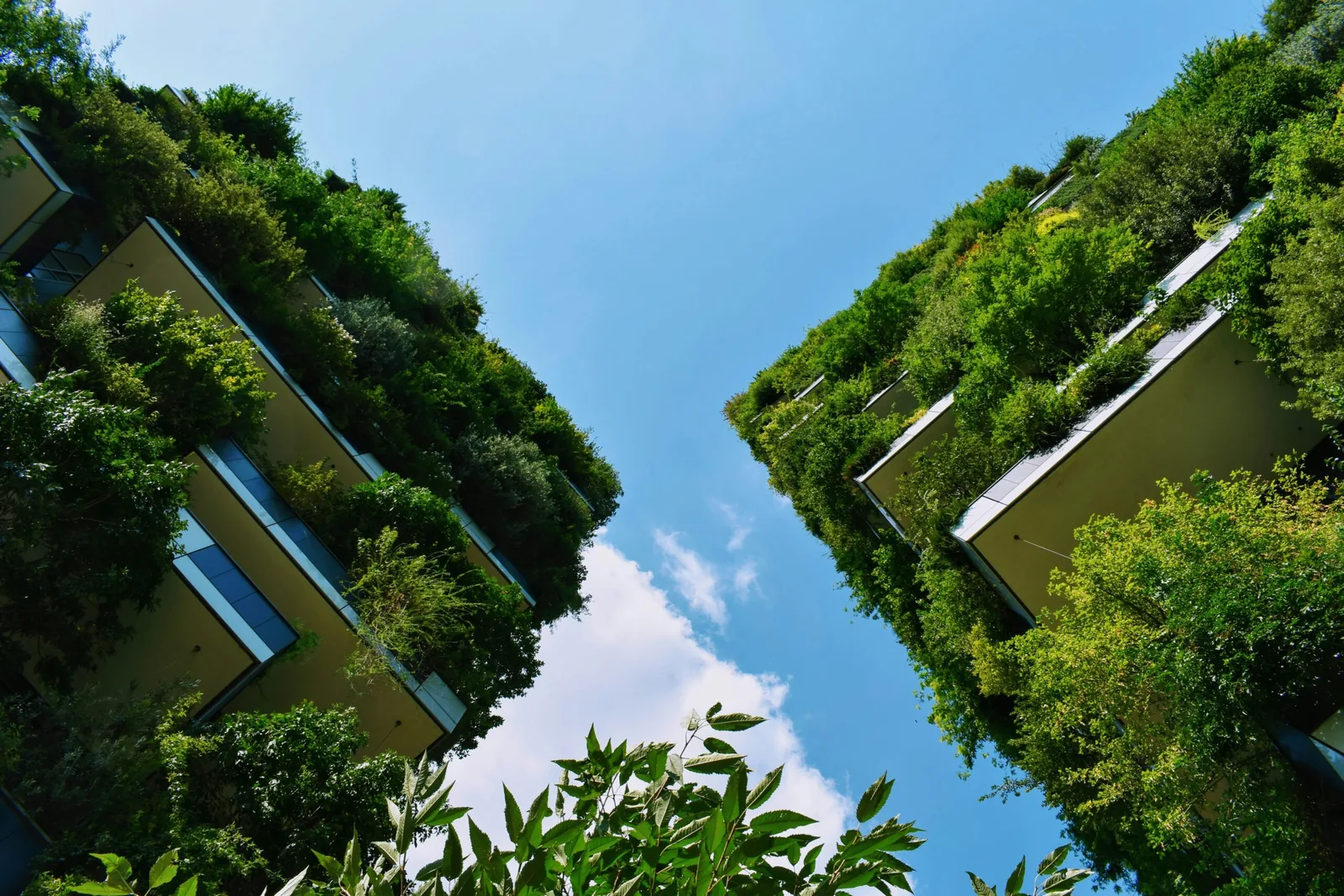
How to Design Buildings That Keep Materials in Play
Designing a building as a materials bank means a demountable structure and fit-out, material passports, products that can be reclaimed or recycled, and knowing the standards and projects behind the approach.
How Digital Twins and BIM Are Driving Whole Life Carbon Reduction
BIM holds the design and material data behind a building's embodied carbon, a digital twin feeds back its performance in use, and this article explains how the two together cut whole life carbon.

The Power of Material Efficiency Assessments and BREEAM Mat 06 in Sustainable Construction
BREEAM Mat 06 rewards projects that plan material efficiency from concept to completion, and this article explains what the credit asks for and how a material efficiency assessment cuts waste and embodied carbon.

Financing Sustainable Construction: The Rise of Green Mortgages
Green bonds, green loans, sustainable property funds, public-private partnerships and green mortgages are putting capital behind low-carbon buildings, and this article explains how each works and who qualifies.
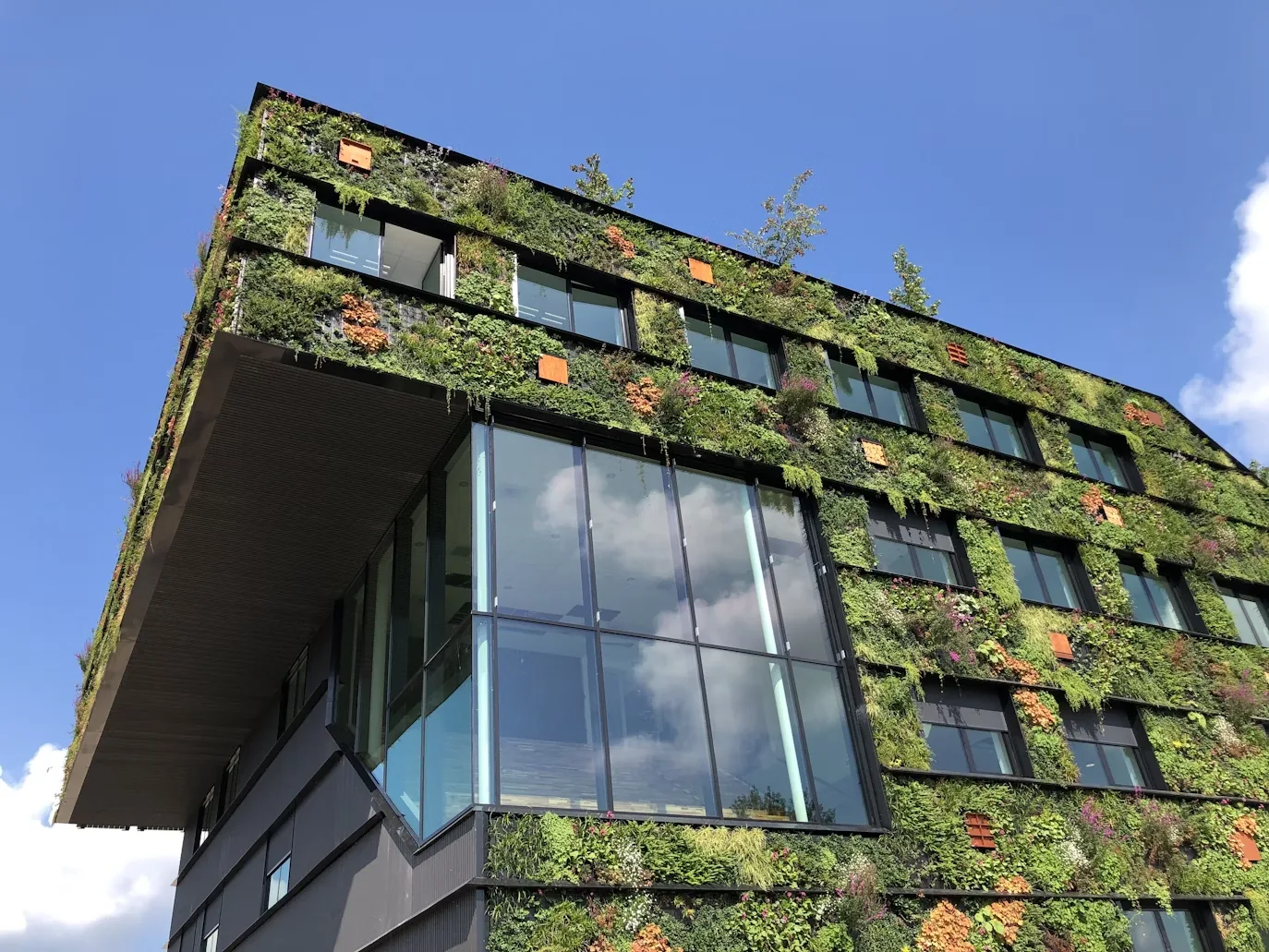
Decoding Whole Life Carbon Assessment for Sustainable Buildings
A whole life carbon assessment under BS EN 15978 splits a building's emissions into modules A1 to D, and this article explains what each module covers and where the carbon can be cut.

Decarbonising Existing Buildings: A Critical Path to Net Zero
Most of the buildings that will stand in 2050 already exist, so this article sets out how deep retrofit, low-carbon materials, longer building life, digital tools and policy can cut their whole life carbon.