Knowledge Share
Articles by the ADW team on life cycle costing, whole life carbon, BREEAM, security and sustainable construction.

Bespoke Life Cycle Costing: The Analysis Behind the Decision
Most life cycle costing in construction exists to satisfy a requirement. A BREEAM credit calls for it. A planning authority requests it. A funder makes it a condition. In each case, the requirement sets the scope, and the analysis follows. A bespoke life cycle costing exercise works the other way round. The client’s question sets…

BREEAM Wst 05: Climate Adaptation and the Stage 2 Deadline
A building designed in 2026 will exist for years to come. It will spend most of its life in a climate that does not exist yet. BREEAM Wst 05, Adaptation to Climate Change, asks project teams to take that seriously. It is worth one credit, with an exemplary credit available on top. It is also…

BREEAM Mat 05: Why Material Efficiency Starts at Stage 1
BREEAM Version 7 renumbered the material efficiency credit. What project teams knew as Mat 06 is now BREEAM Mat 05, and BRE streamlined the assessment process along the way. None of that is the interesting part. BREEAM Mat 05 behaves differently from almost every other credit in the scheme. Most credits stay available well into…

London Plan Requirements: The Construction Economics of Developing in the Capital
London Plan requirements go further than national policy in almost every direction. The plan sets demanding sustainability standards and enforces them through a referral system that gives the Mayor direct influence over major schemes. Developers face a longer list of assessments, extra analysing, and more ways for a project to stall at planning. None of…

Circular Economy Statements: What They Require and How to Get Them Right
A Circular Economy Statement is not a document most developers think about at the start of a project. Teams often encounter the CES once the design has advanced and the planning submission is taking shape. As a result, they treat it as a document to produce quickly rather than a tool to use strategically. That…
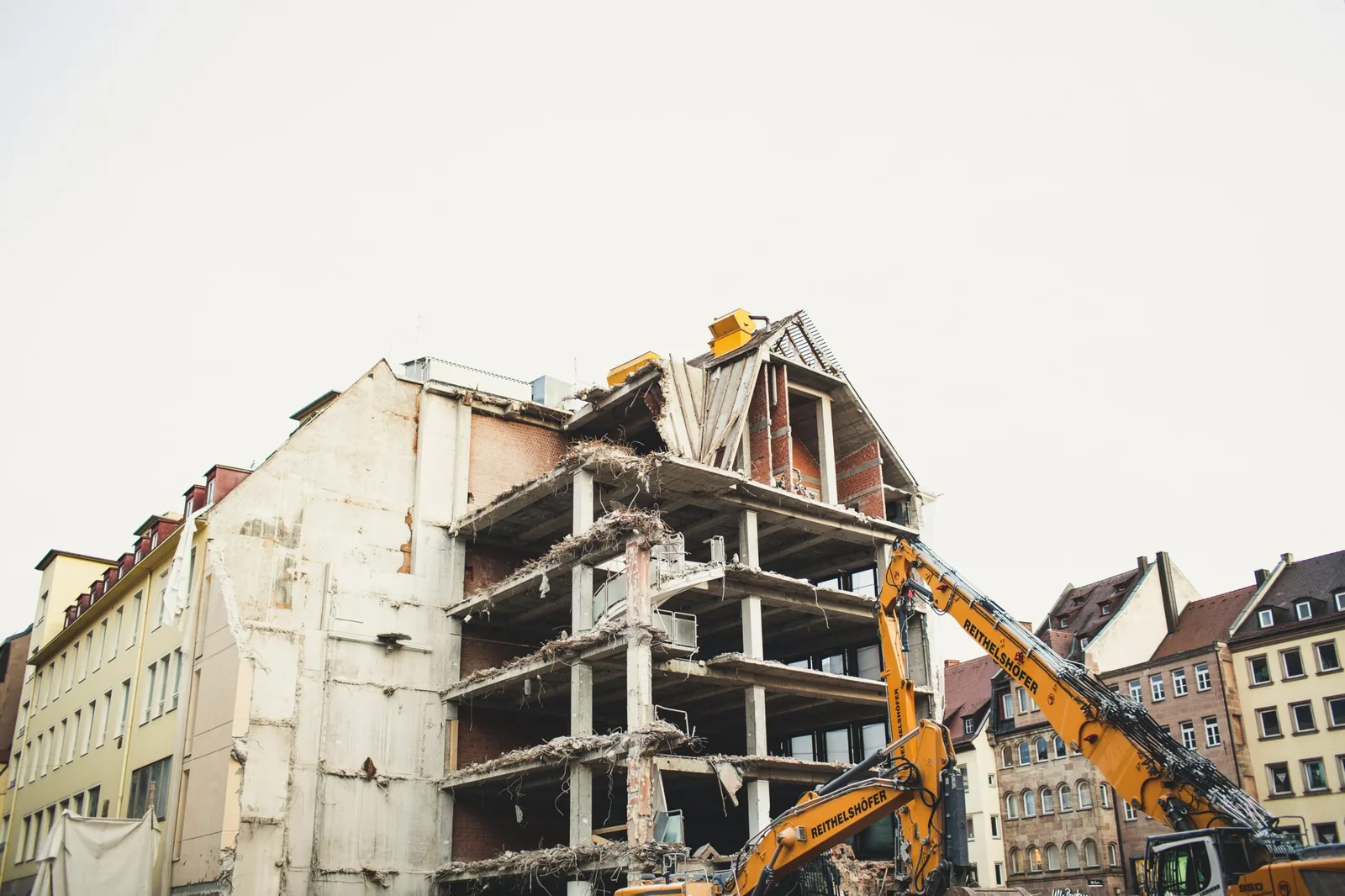
Pre-Demolition Audits: Why Timing Is Everything
The value of a Pre-Demolition Audit has never been about the document itself. It comes from the decisions that the audit allows project teams to make. When teams undertake the audit early, they can identify reuse opportunities, inform demolition strategy, support circular economy objectives, and improve the quality of project data before major decisions are…
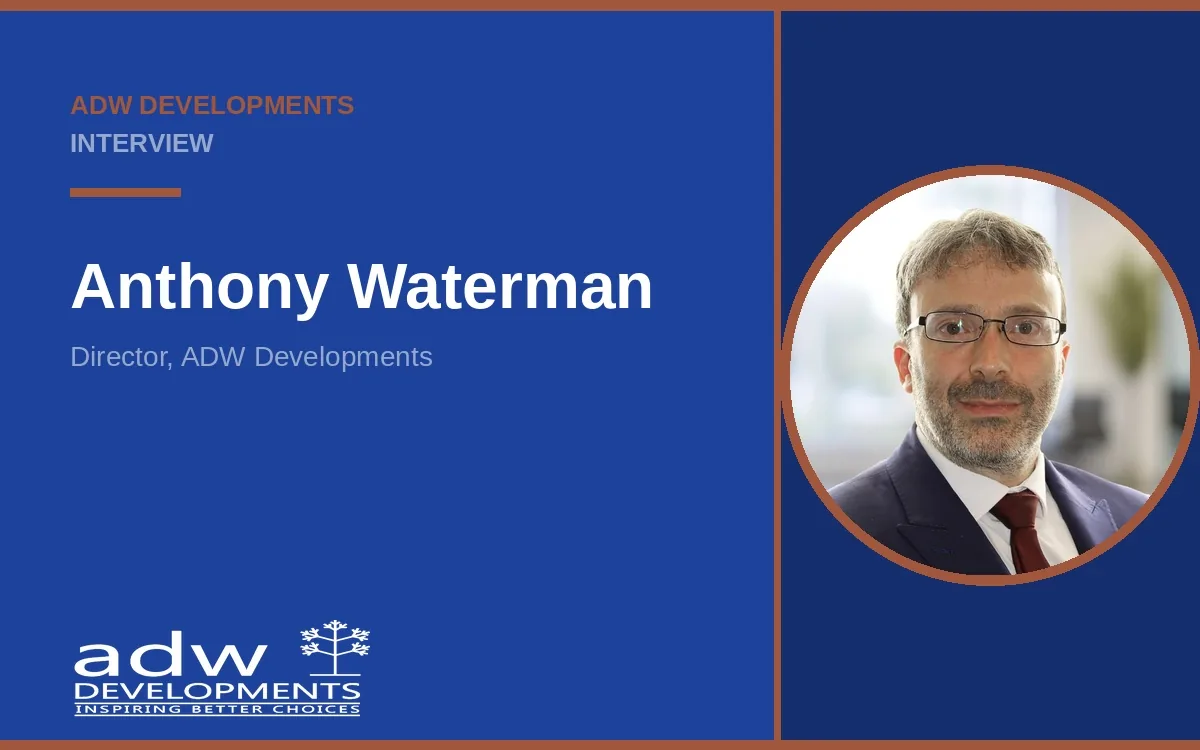
Inspiring Better Choices: In Conversation With Anthony Waterman, Director of ADW Developments
Anthony Waterman is the Director of ADW Developments. With over 25 years in construction economics and sustainability, he leads one of the UK’s most respected specialist consultancies, advising on projects worth over £1 billion in construction value every year, and building the AI-powered assessment tools that are changing how that work gets done. What sets…

World Environment Day: The Biggest Carbon Decisions Happen Before Construction Starts
Every World Environment Day, attention turns to renewable energy, low-carbon materials, and emerging technology. These conversations matter. But from a construction economics perspective, some of the most significant environmental decisions on any project are made long before a site opens. And often, before most people have started thinking about carbon at all. Carbon Is a…

Elemental vs Whole-Project LCC: Choosing the Right Strategy
Ask three people what Life Cycle Costing (LCC) means and you will often get three different answers. One may describe a high-level cost comparison completed at RIBA Stage 2 to inform structural or façade options. Another may refer to a detailed component-by-component assessment supporting procurement decisions. A third may describe a long-term financial model tracking…

BREEAM In Use: The Value of RSC 01 and RSC 03
Most buildings still treat materials as a cost. BREEAM In Use asks a different question: what if those materials still hold long-term value? Rsc 01 and Rsc 03 encourage asset owners to think differently about existing buildings.

Post-Occupancy Evaluation: Do You Actually Know How Your Building Is Performing?
Post-Occupancy Evaluation often starts long after the project team has moved on. A building achieves a strong BREEAM rating at post-construction stage. The certificate goes on the wall. Twelve months later, the facilities manager is dealing with complaints about overheating on the upper floors.

Crime Prevention Statement or Security Needs Assessment. What Is the Difference?
If you have worked on any significant development project in recent years, you have likely encountered both of these documents. And you may have wondered whether they are essentially the same thing with different names. The honest answer is: almost, but not quite.