Knowledge Share
Articles by the ADW team on life cycle costing, whole life carbon, BREEAM, security and sustainable construction.

How Carbon Credits and Circular Materials Are Shaping Sustainable Construction
Embodied carbon credits turn verified savings from material reuse into reportable value, and this piece sets out how they differ from offsets, what counts as a circular material and where regulation still lags.
How Digital Twins and BIM Are Driving Whole Life Carbon Reduction
BIM holds the design and material data behind a building's embodied carbon, a digital twin feeds back its performance in use, and this article explains how the two together cut whole life carbon.
The Power of Material Efficiency Assessments and BREEAM Mat 06 in Sustainable Construction
BREEAM Mat 06 rewards projects that plan material efficiency from concept to completion, and this article explains what the credit asks for and how a material efficiency assessment cuts waste and embodied carbon.
Financing Sustainable Construction: The Rise of Green Mortgages
Green bonds, green loans, sustainable property funds, public-private partnerships and green mortgages are putting capital behind low-carbon buildings, and this article explains how each works and who qualifies.
Decoding Whole Life Carbon Assessment for Sustainable Buildings
A whole life carbon assessment under BS EN 15978 splits a building's emissions into modules A1 to D, and this article explains what each module covers and where the carbon can be cut.
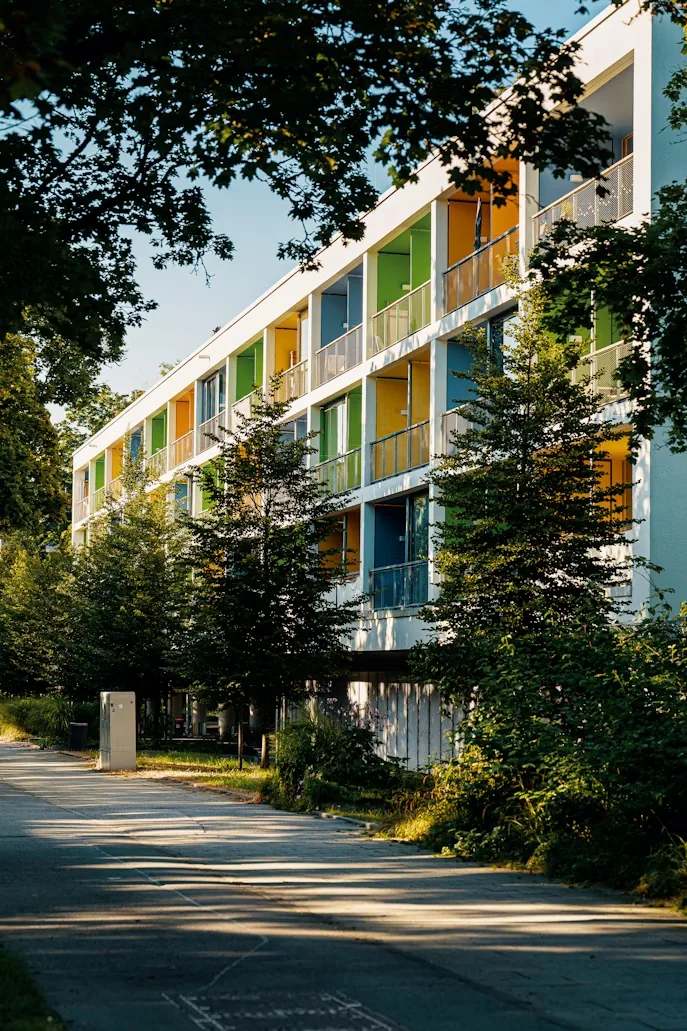
Decarbonising Existing Buildings: A Critical Path to Net Zero
Most of the buildings that will stand in 2050 already exist, so this article sets out how deep retrofit, low-carbon materials, longer building life, digital tools and policy can cut their whole life carbon.
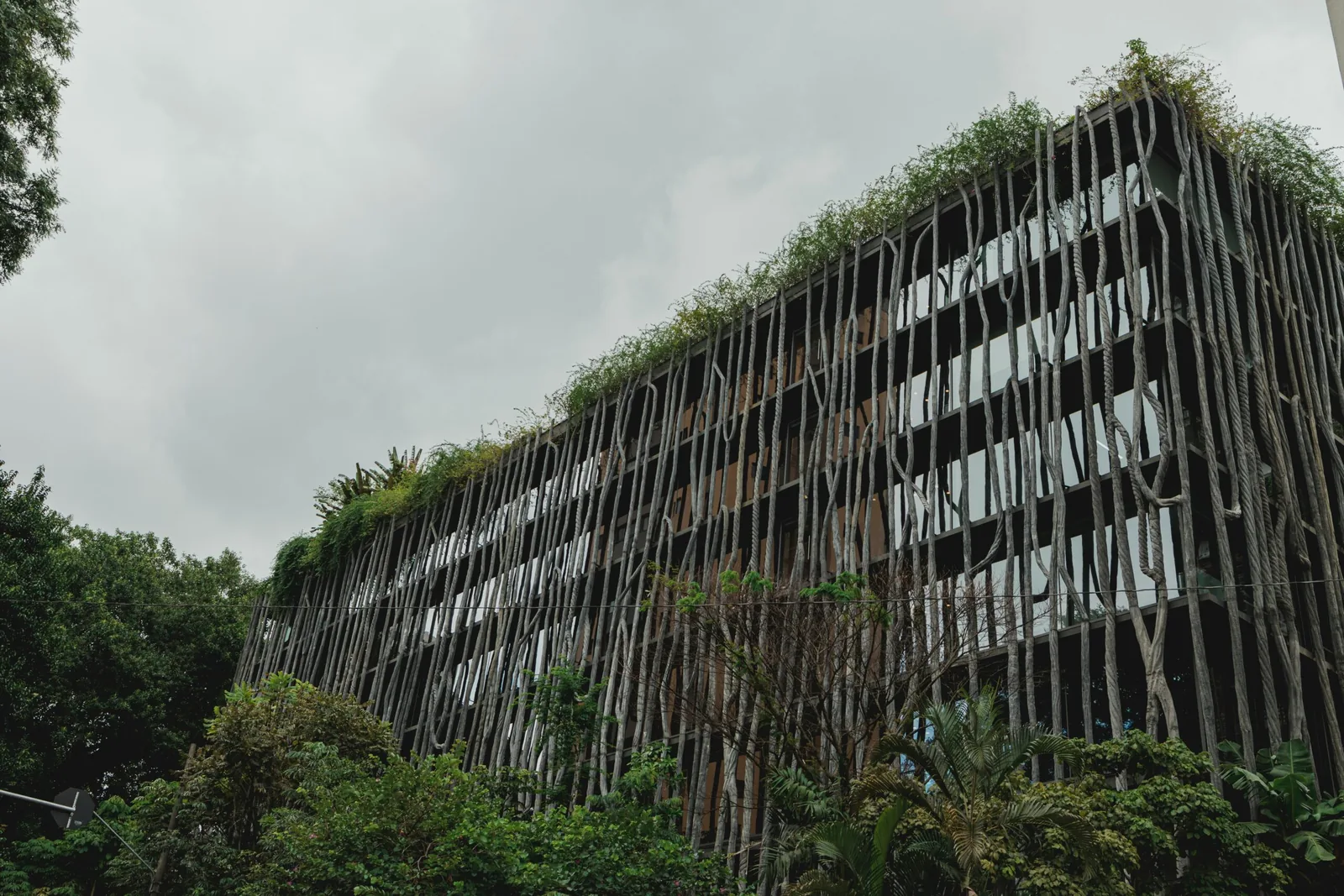
Why Material Durability Matters in Sustainable Construction
Durable materials resist climate, moisture, chemical, mechanical and biological stress for longer, and this article sets out what that saves in resources, waste, carbon and cost, and where material science is heading.

Climate Change Adaptation in the Built Environment
We explain how the built environment adapts to climate change: regional impacts, resilience through every project phase, climate projections in design, retrofitting existing assets, and the balance between resilience and embodied carbon.
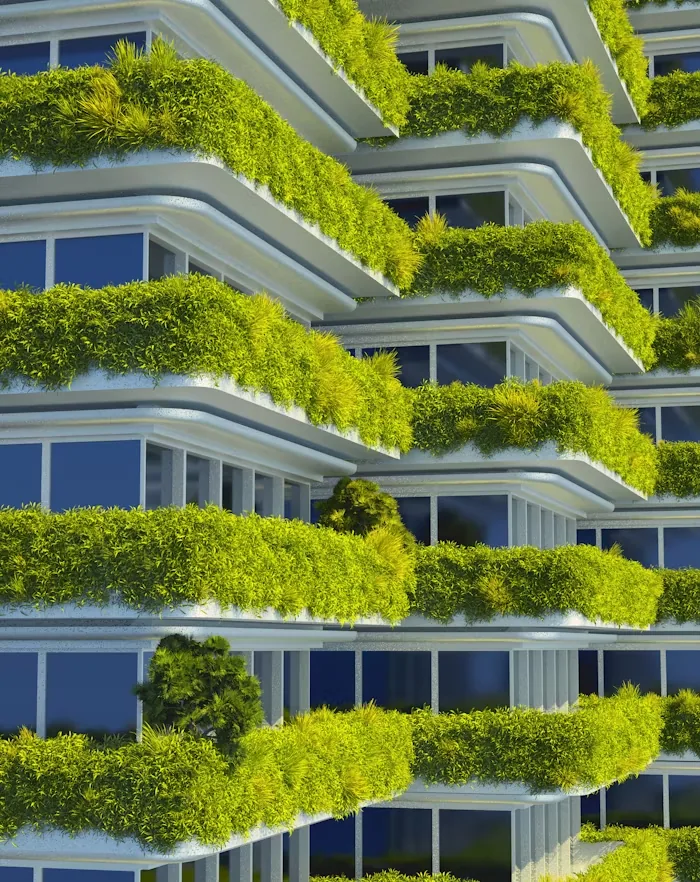
The Power of Circular Economy Statements in Construction
A Circular Economy Statement sets out how a project will source, reuse and recover its materials; we explain what one contains and what it does for planning, cost and whole life carbon.

Policy and Regulatory Drivers for Whole Life Carbon in the UK Built Environment
We set out the seven policy, planning and industry drivers behind whole life carbon in the UK, from London Plan Policy SI 2 to the RICS guidance, and what each asks of a development.
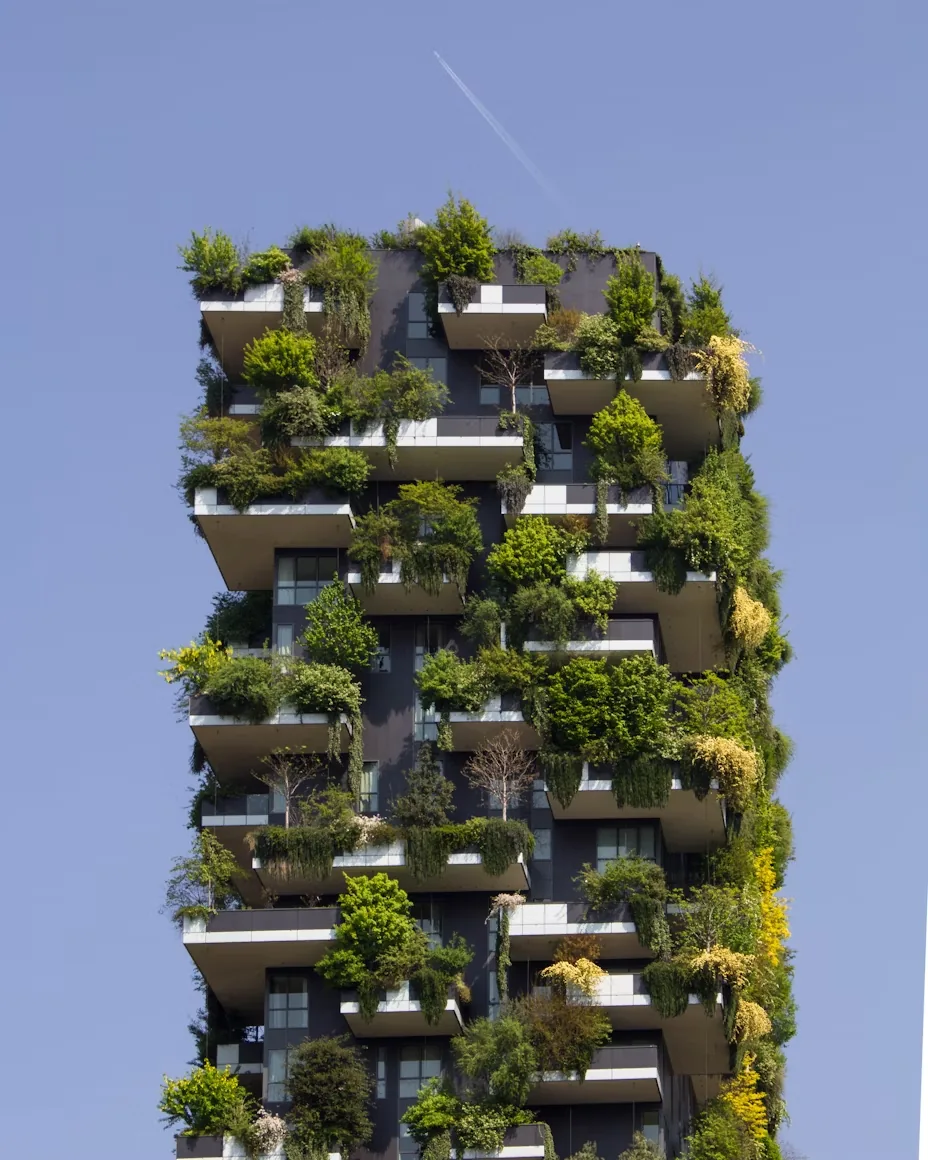
What is a +A2 EPD? Understanding the New Standard for Environmental Product Declarations
We explain what a +A2 EPD is, how EN 15804+A2:2019 differs from the +A1 format, and what to check before using one as evidence for BREEAM, an LCA or a whole life carbon assessment.
UK Net Zero Carbon Buildings Standard 2025: Complete Guide – Part 3
Part 3 of our NZCBS guide puts the standard against three worked examples, summarises the benchmarks, explains verification and the tightening timeline, and lists the steps for new and existing buildings.