The seven principles of sustainability in construction are the guidelines a project follows to reduce its environmental impact, use resources well and produce a building that is healthy to occupy and will last. They cover energy, water, materials, waste, the indoor environment, the site and the design approach itself. Here is what each one asks for on a project.
1. Energy efficiency
Reduce the energy the building uses, in construction and in operation, and bring in renewable sources where you can. In practice that means appliances and systems that consume less energy, insulation good enough to cut heating and cooling demand, and passive solar design that makes the most of natural light and heat from the sun so that the building needs less artificial lighting and heating.
2. Water conservation
Use less water, and use it more than once. Low-flow toilets and taps cut consumption at the point of use. Rainwater can be collected and stored for irrigation and other non-potable uses, and wastewater can be recycled and reused within the building. Outside, efficient irrigation and drought-resistant planting keep the garden's demand for water low.
3. Materials selection
Choose sustainable, recycled or renewable materials with a low environmental impact. Locally produced materials carry lower transport emissions. Non-toxic, durable products are safer for the people who use the building and last longer, and materials that are recycled or come from renewable sources should be the first choice.
4. Waste reduction
Minimise the waste generated during construction and recycle or reuse what is produced. Hazardous materials have to be disposed of safely and responsibly. The longer-term part of this principle is to design the building so that it can be adapted or taken apart later, with its components reused or recycled.
5. Indoor environmental quality
The building has to be healthy to be in: clean indoor air, natural light and comfortable thermal conditions. Use building materials that do not emit harmful substances, provide enough ventilation to keep the air quality good, design spaces around natural light, and keep indoor temperatures comfortable and stable.
6. Site optimisation
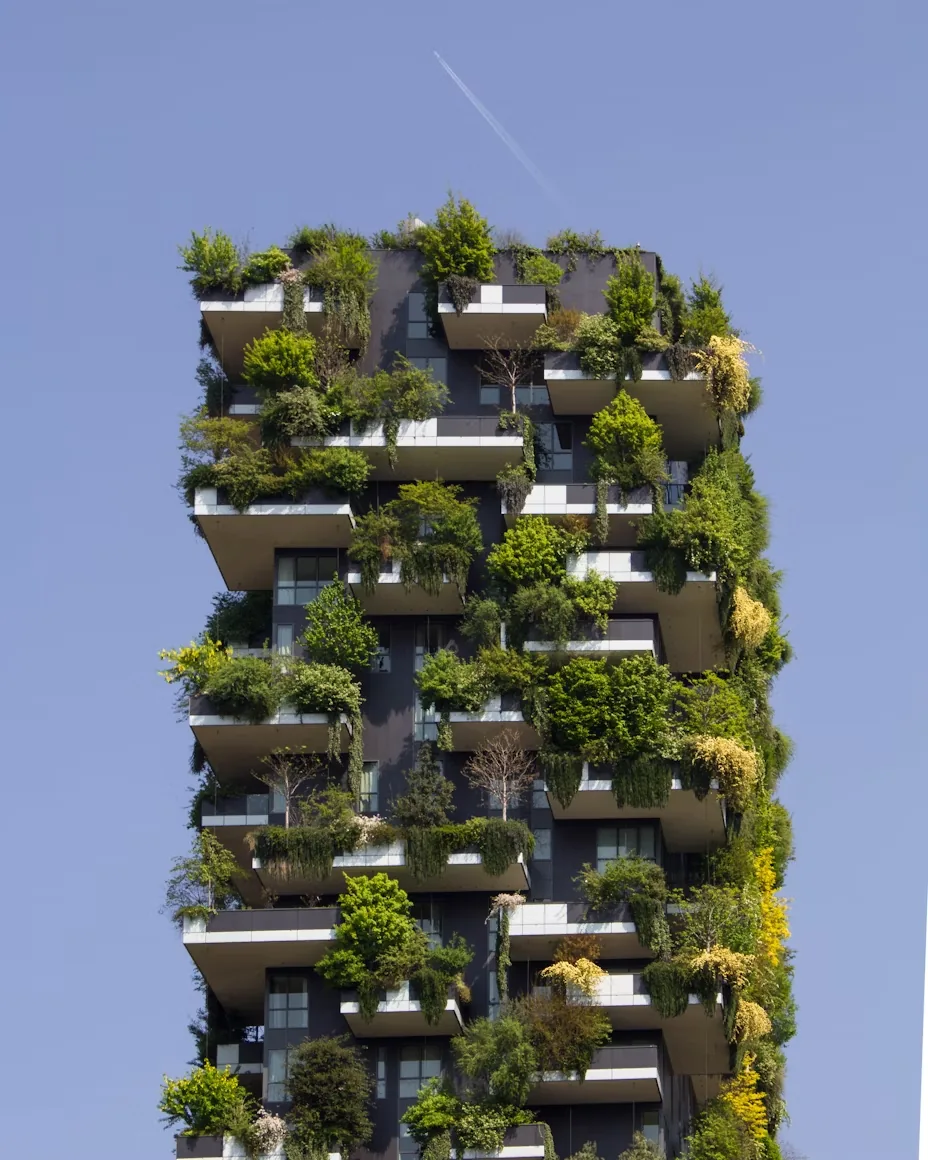
Plan and design the project to respect the natural environment it sits in and, where possible, improve it. Avoid disturbing land that does not need to be disturbed, protect local wildlife and ecosystems from the works, and bring parks, gardens and other green spaces into the design.
7. Sustainable design and innovation
The last principle is about the design process itself. Building Information Modelling (BIM) improves design accuracy and collaboration across the team. Smart building technologies manage the building's performance and resource use once it is occupied. And the building should be designed for the long term: adaptable, and resilient to climate change and whatever other challenges arrive during its life.