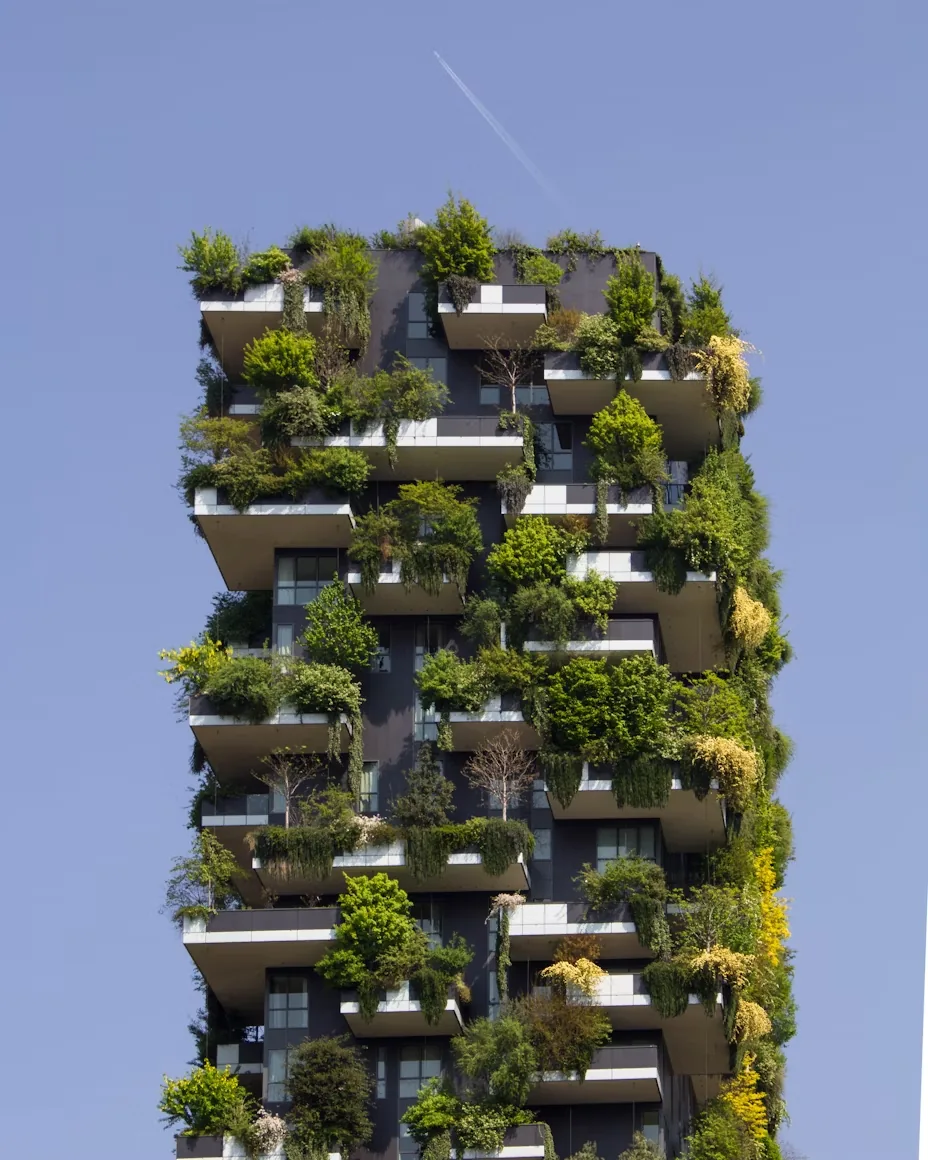
The three pillars of sustainability in construction, often called the Triple Bottom Line, are environmental, economic and social sustainability. A project has to stand on all three; the aim is development that meets present needs without compromising the ability of future generations to meet their own.
Environmental sustainability
The environmental pillar is about keeping the damage that construction does to the natural environment as small as possible: using resources efficiently, cutting waste and emissions, preserving natural habitats, and favouring renewable energy and sustainable materials.
On a project that starts with the site. Brownfield land, or a site with existing infrastructure, causes less environmental disruption than open land, and the site then has to be managed with the same care through the works. The design should reduce energy consumption through passive solar design, proper insulation and energy-efficient systems, and water consumption through low-flow fixtures and rainwater harvesting. A waste management plan should set out how construction waste will be reduced, reused and recycled so that as little as possible goes to landfill. Materials should be recycled, renewable or low in environmental impact, and sourced locally to cut transport emissions.
Economic sustainability
The economic pillar asks whether the project is financially viable and whether it keeps delivering economic benefit over its life. That means cost-effective construction, long-term financial planning and value for the people with a stake in the building.
Efficient construction techniques and materials reduce the initial cost and save money later. A life cycle cost analysis tests whether the project is cost-effective across its whole lifespan, taking in the initial cost, maintenance and operating expenses together rather than the capital figure alone. Durable materials and systems that need little maintenance keep long-term operating costs down. Technology and new construction methods can improve efficiency and reduce cost. And the project should create jobs and add to the local economy while it is being built.
Social sustainability
The social pillar covers the effect of a project on the people around it and inside it: the health, well-being and quality of life of the workforce, the occupants and the surrounding community.
That starts on site, with high standards of health and safety for construction workers. It extends to the community, who should be involved in the planning process so that the project meets their needs and gives them something back. For the occupants, the building should provide natural light, good ventilation, thermal comfort and high indoor air quality. Projects should include affordable housing and the infrastructure a community depends on, and buildings and spaces should be accessible to everyone, including people with disabilities.
On a live project the three pillars pull against each other, and the design team's job is to balance them.